
Why Accurate Void Detection is Crucial for Dubai’s Infrastructure


Understanding Void Detection in Infrastructure
Void detection is a critical process in maintaining the integrity of infrastructure, particularly in rapidly developing regions like Dubai. Voids, or empty spaces within the ground, can lead to significant structural issues if left undetected. With Dubai's ambitious architectural projects and expansive urban planning, ensuring the stability of the underlying land is essential.
Accurate void detection helps prevent potential disasters by identifying weaknesses in the ground before they become problematic. This proactive approach is vital in a city known for its skyscrapers, expansive metro systems, and innovative designs.

The Impact of Voids on Infrastructure
Voids can cause a range of problems for infrastructure, from minor issues to catastrophic failures. They might lead to uneven settling, cracks in buildings, or even complete structural collapse. In a city like Dubai, where the stakes are incredibly high, the importance of early detection cannot be overstated.
Moreover, the presence of voids can increase maintenance costs significantly. Regular inspections and accurate detection can save time and money while ensuring the safety of residents and tourists alike.
Technological Advancements in Detection
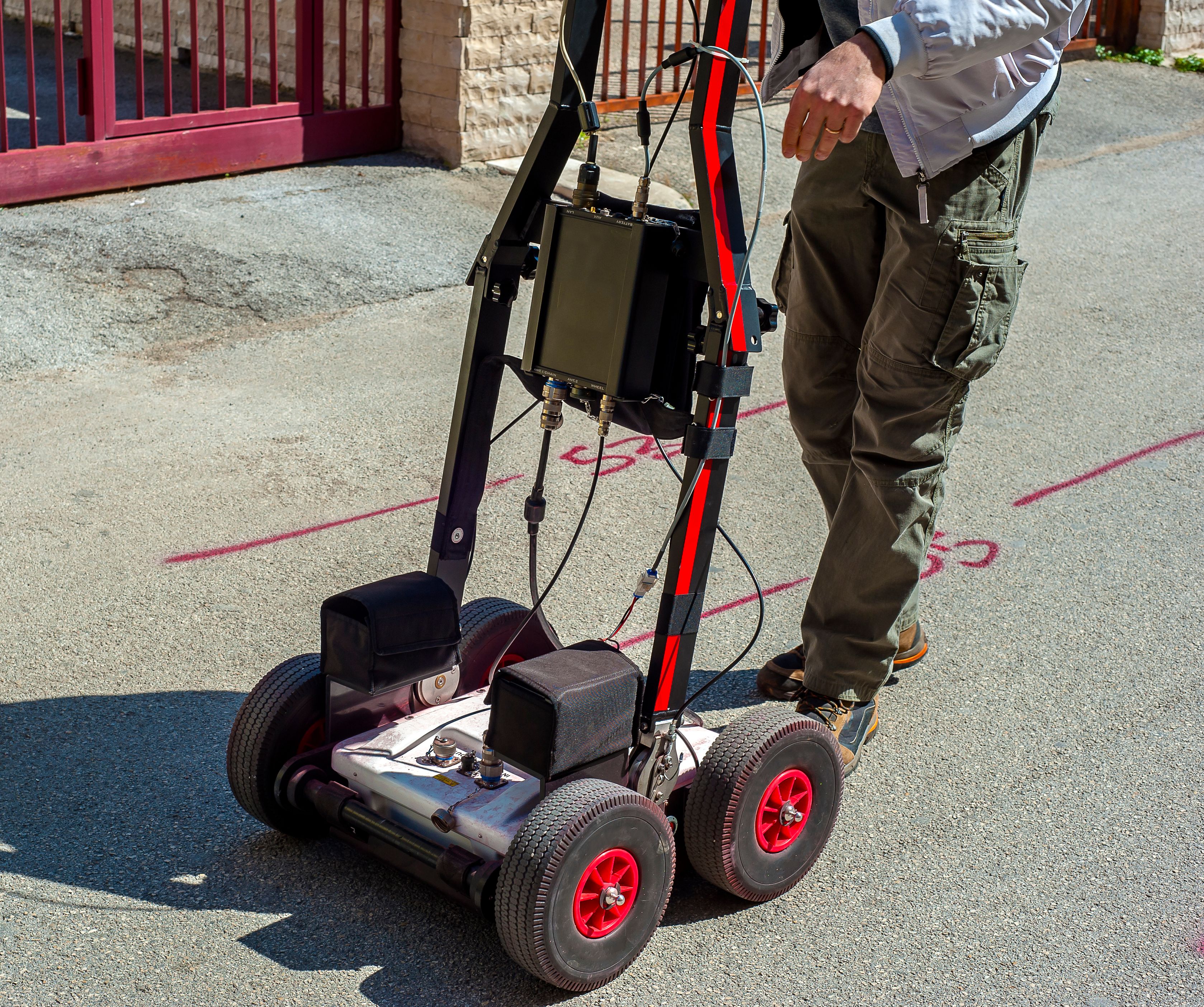
Recent technological advancements have made void detection more efficient and accurate. Ground-penetrating radar (GPR) and other geophysical methods provide detailed insights into subsurface conditions. These technologies offer non-invasive and cost-effective solutions for identifying potential issues before they escalate.
Benefits of Accurate Void Detection
The benefits of accurate void detection extend beyond safety and cost savings. By ensuring the stability of the infrastructure, Dubai can continue to attract global investments and maintain its reputation as a hub of innovation and luxury.
Furthermore, accurate detection supports sustainable urban development. By identifying and addressing voids early, construction can proceed with minimal environmental impact, preserving the natural landscape and reducing waste.
Implementing Best Practices
To maximize the benefits of void detection, it is essential to implement best practices. Regular monitoring, the use of advanced technologies, and collaboration with expert geophysicists are key components of a successful strategy.
- Conduct regular inspections using the latest detection technologies.
- Engage with experts to interpret data and plan accordingly.
- Integrate detection practices into the early stages of planning and development.
Conclusion
Accurate void detection is a cornerstone of sustainable and safe infrastructure development in Dubai. By investing in advanced technologies and adhering to best practices, the city can continue to grow and thrive, setting a benchmark for urban development worldwide.