
Understanding the Environmental Benefits of Using GPR in Urban Areas


Introduction to Ground Penetrating Radar (GPR)
Ground Penetrating Radar (GPR) is becoming an increasingly popular tool in urban development. This non-invasive technology uses radar pulses to image the subsurface, offering a way to explore underground without the need for excavation. As cities grow and evolve, understanding what's beneath the surface is crucial for sustainable urban planning.
GPR is not only useful for locating utilities and infrastructure but also plays a significant role in preserving the environment. By minimizing the need for disruptive digging, GPR helps protect the delicate urban ecosystem.
Reducing Environmental Impact
Minimizing Excavation
One of the primary environmental benefits of using GPR is the reduction in unnecessary excavation. Traditional methods often involve digging up large areas, which can disrupt local habitats and release stored carbon from the soil. GPR allows for precise identification of underground features, reducing the need for extensive digging and preserving natural landscapes.
Protecting Urban Green Spaces
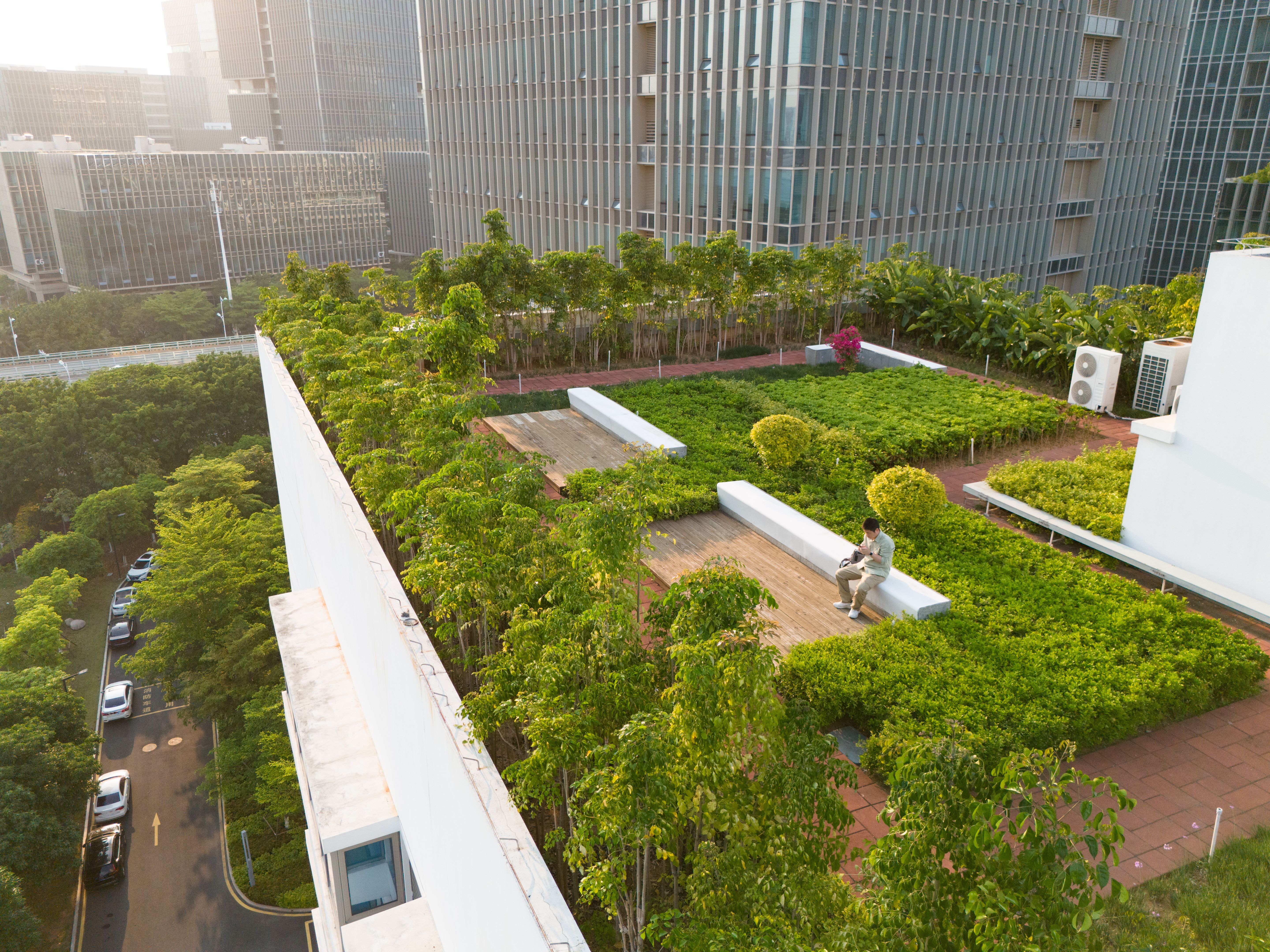
Urban green spaces are vital for enhancing the quality of life in cities, providing areas for recreation and supporting biodiversity. GPR helps maintain these spaces by enabling planners to map out subsurface utilities and features without disturbing the surface. This ensures that parks and green areas remain intact and vibrant.
Improving Infrastructure Planning
Efficient Resource Management
GPR aids in the efficient management of urban resources by providing accurate data about the location and condition of underground infrastructure. This information is crucial for planning maintenance and upgrades, ensuring that resources are used efficiently and reducing waste.
Enhancing Public Safety
By identifying potential hazards such as sinkholes or unstable ground, GPR contributes to public safety. Early detection of these issues can prevent accidents and reduce the need for emergency interventions, which often have a high environmental cost.
Supporting Sustainable Urban Development
GPR supports sustainable urban development by ensuring that construction projects are carried out with minimal environmental disruption. The ability to accurately map underground features allows for smarter, more sustainable design choices.
Additionally, GPR reduces the carbon footprint of urban projects by limiting the need for heavy machinery and reducing the overall energy consumption associated with excavations.
Conclusion
The use of GPR technology in urban areas offers numerous environmental benefits, from reducing the impact of construction activities to preserving green spaces and supporting sustainable development. As cities continue to expand, integrating GPR into urban planning will be essential for creating resilient and environmentally friendly urban landscapes.