
Seasonal Considerations for Subsurface Investigations in the UAE


Understanding the Climate Impact
Subsurface investigations in the UAE require careful planning due to the region's unique climatic conditions. The extreme heat, humidity, and occasional sandstorms can pose significant challenges to geotechnical projects. Understanding these seasonal factors is crucial for ensuring the success and safety of subsurface operations.
The UAE experiences intense heat during the summer months, with temperatures often soaring above 40°C. This can affect the performance of equipment and the health and safety of personnel. Heat stress is a genuine concern, making it essential to implement appropriate measures to protect workers and maintain operational efficiency.
Adapting to Seasonal Variations
Winter in the UAE brings milder temperatures, which can be more conducive to subsurface investigations. However, it also introduces increased humidity and occasional rainfall. Although rain is infrequent, it can lead to flooded sites and complicate access to investigation areas. Planning for these variations is key to minimizing disruptions.
Proper scheduling is vital to align project timelines with favorable weather conditions. By conducting thorough weather assessments and utilizing historical data, project managers can predict potential weather-related challenges and adjust their plans accordingly.
Mitigating Environmental Challenges
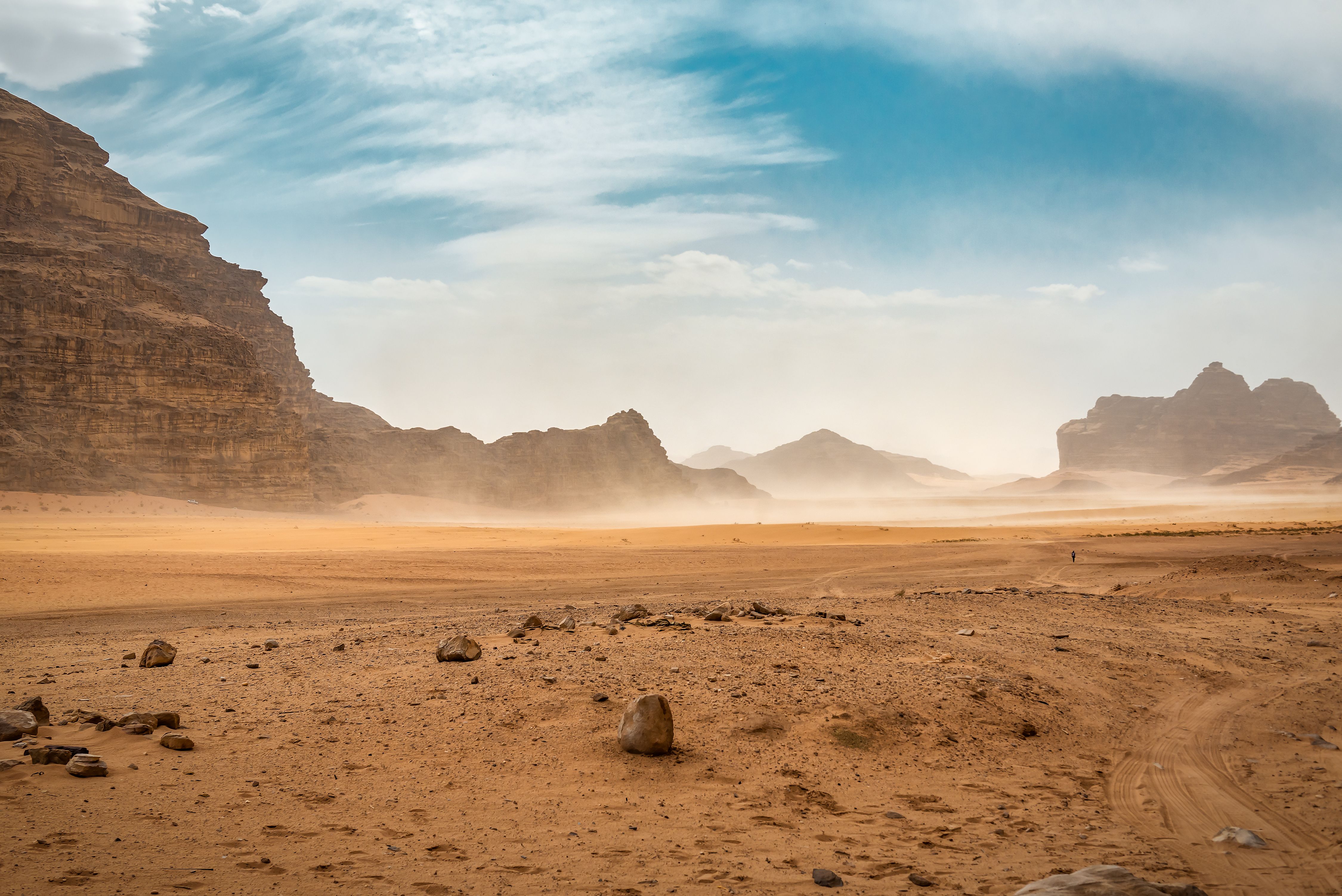
Environmental factors such as sandstorms and dust accumulation can significantly impact subsurface investigations. Sandstorms can reduce visibility, hinder transportation, and damage sensitive equipment. Regular maintenance and protective measures can mitigate these challenges.

To combat dust accumulation, it is advisable to use dust suppression techniques, such as water sprays and protective covers for equipment. These measures not only protect machinery but also ensure the accuracy of subsurface data collection.
Utilizing Advanced Technology
Incorporating advanced technology can enhance the efficiency and accuracy of subsurface investigations in the UAE. Remote monitoring systems and automated equipment reduce the need for on-site personnel, minimizing the risk of heat-related issues.
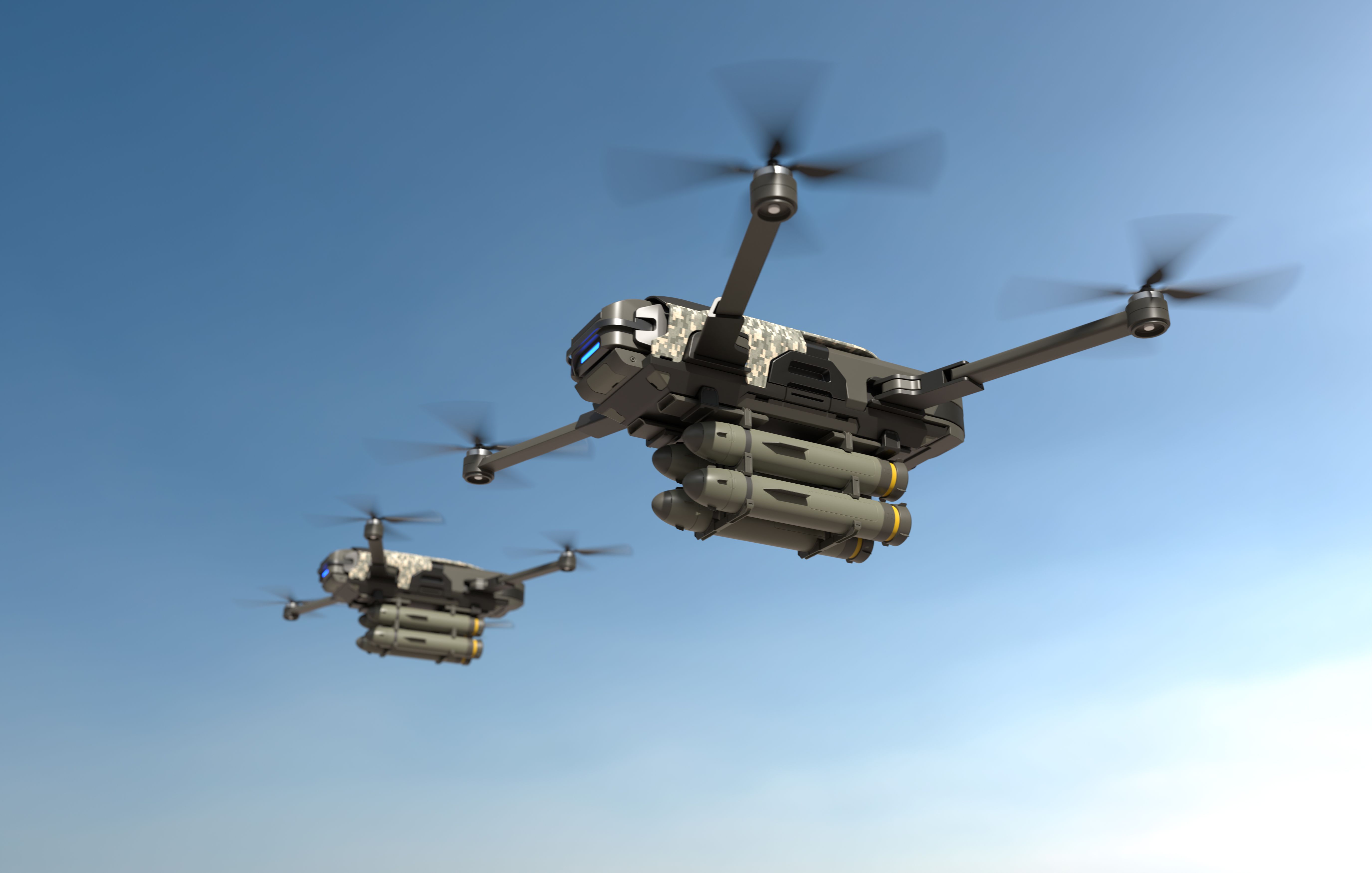
Geospatial technology and drones offer innovative solutions for site assessments, providing real-time data and facilitating informed decision-making. These technologies allow for the safe and efficient gathering of critical information while reducing human exposure to harsh conditions.
Ensuring Health and Safety
Worker safety is paramount during subsurface investigations, especially in challenging environments like the UAE. Implementing comprehensive safety protocols, including regular health checks, hydration stations, and heat stress training, is essential to protect personnel.
Employers should provide appropriate personal protective equipment (PPE) and ensure that all staff are trained in its use. By fostering a culture of safety, organizations can minimize risks and promote a healthy work environment.
Conclusion
Successful subsurface investigations in the UAE require a proactive approach to seasonal considerations. By understanding and adapting to the unique climatic challenges, utilizing advanced technology, and prioritizing health and safety, projects can be completed efficiently and safely. Proper planning and execution are the cornerstones of overcoming environmental obstacles and achieving project goals.