
Myth-Busting Concrete Scanning: Common Misconceptions Debunked


Understanding Concrete Scanning
Concrete scanning is a crucial process used to examine the interior of concrete structures, ensuring safety and efficiency in construction and renovation projects. This technology often employs ground-penetrating radar (GPR) and other advanced tools to detect embedded objects like rebar, post-tension cables, and conduits. Despite its importance, several myths and misconceptions persist about this process.
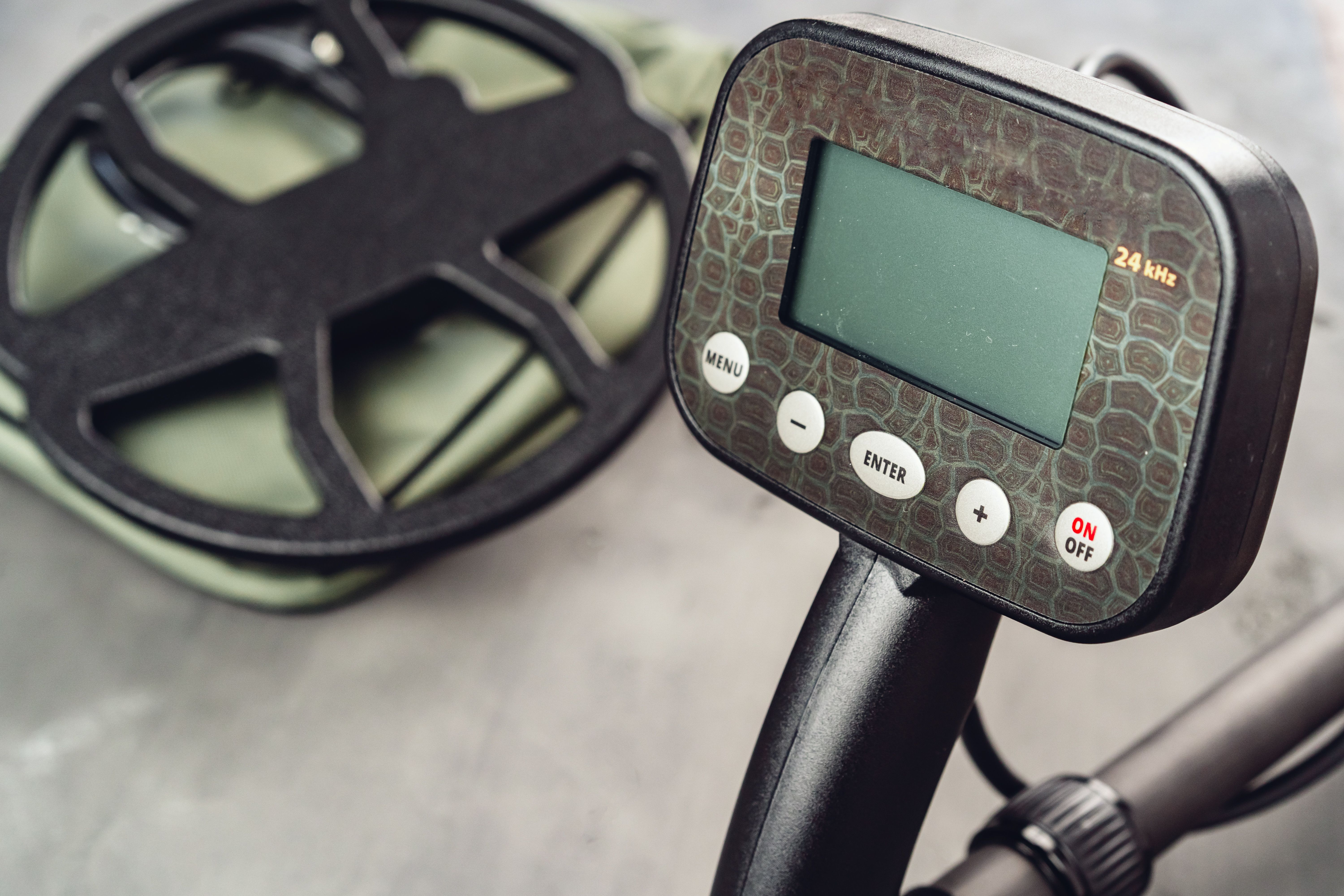
Myth 1: Concrete Scanning is Inaccurate
A common misconception is that concrete scanning lacks precision. In reality, modern scanning technologies have advanced significantly, offering precise and detailed insights into concrete structures. The accuracy depends on several factors, including the equipment used and the expertise of the technician. Trained professionals can interpret the data accurately, ensuring reliable results.
Moreover, concrete scanning helps prevent costly errors by identifying hidden objects before drilling or cutting. This proactive approach reduces the risk of damaging structural elements, which can lead to expensive repairs and project delays.
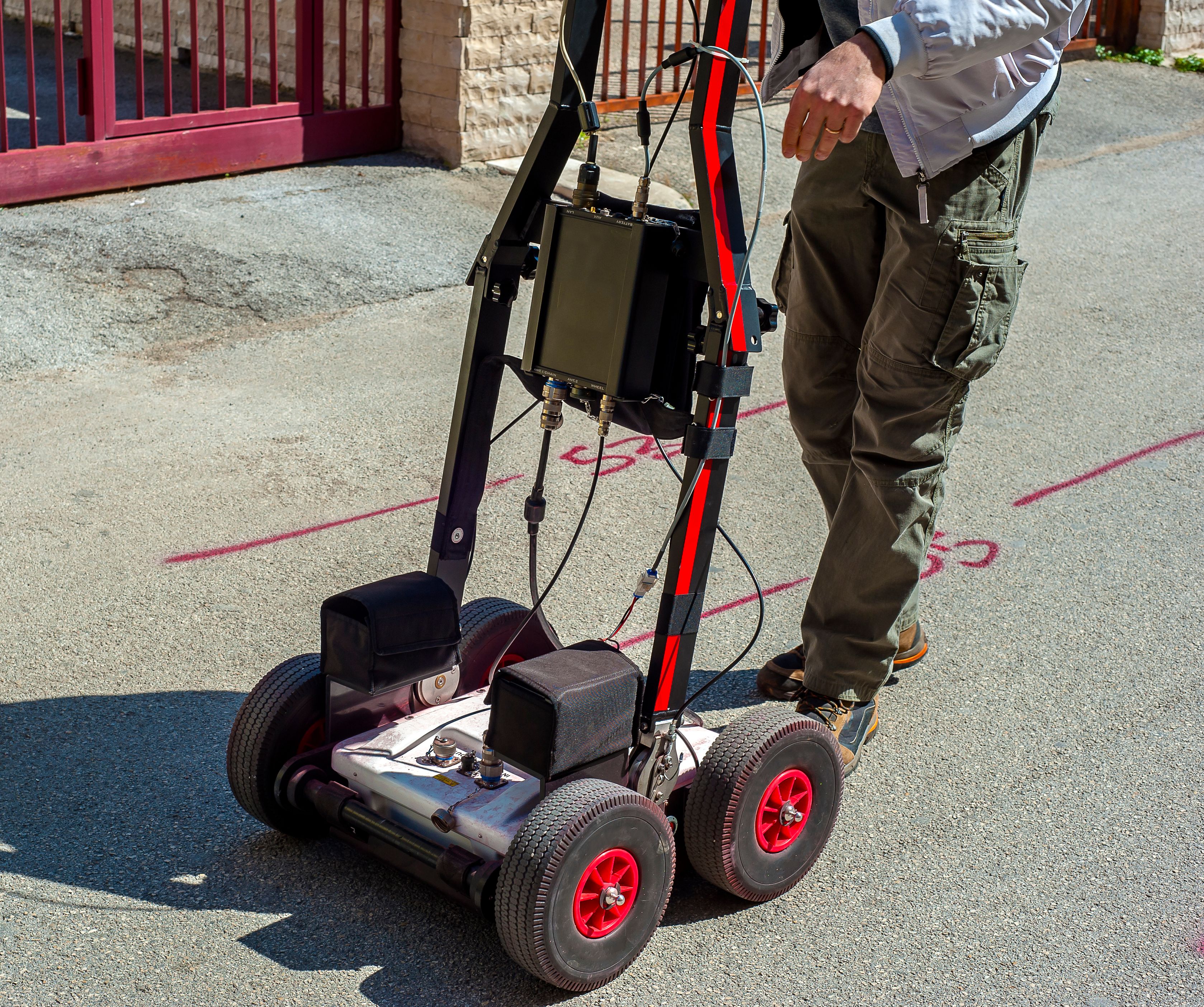
Myth 2: It’s Only Necessary for Large Projects
Another misconception is that concrete scanning is only essential for large-scale construction projects. In fact, it is beneficial for projects of all sizes. Whether you’re working on a residential renovation or a commercial build, understanding what lies beneath the surface can prevent accidents and protect investments.
Small projects often involve older structures where original construction details may be unknown. Scanning provides peace of mind, ensuring that even minor renovations proceed without unexpected complications.
Myth 3: It’s Too Expensive
The cost of concrete scanning is often perceived as prohibitive. However, when compared to the potential expenses resulting from structural damage, safety hazards, or project delays, it becomes a wise investment. The upfront cost of scanning can save significant amounts of money by preventing unforeseen issues.

Additionally, many service providers offer flexible pricing options, making it accessible for various budgets. The cost-effectiveness of concrete scanning is particularly apparent when considering the potential liabilities and disruptions that it helps to avoid.
The Benefits of Concrete Scanning
Beyond debunking myths, it’s important to highlight the numerous benefits of concrete scanning. This process enhances safety by avoiding accidental strikes on live wires or structural elements. It also optimizes project timelines by providing clear insights into the subsurface layout, allowing for more efficient planning and execution.
- Safety: Prevents accidents by identifying live wires and structural components.
- Efficiency: Provides detailed insights for better planning.
- Cost-Effective: Reduces repair costs and project delays.
Conclusion: Embrace the Technology
As construction and renovation projects continue to evolve, embracing concrete scanning technology is essential. By debunking these common myths, we can appreciate the role of this technology in enhancing safety, efficiency, and cost-effectiveness.
For those involved in construction, whether as contractors, engineers, or property owners, understanding and utilizing concrete scanning can make a substantial difference in project success.