
How to Prepare for a Concrete Scanning Project in Dubai


Understanding the Importance of Concrete Scanning
Concrete scanning is a crucial process for any construction or renovation project in Dubai. It involves using advanced technology to detect objects within concrete structures, such as rebar, conduits, or voids. This ensures the safety and success of the project, preventing costly damage and delays. In a city where rapid development is the norm, understanding the intricacies of concrete scanning can make a significant difference.
Before starting a concrete scanning project, it’s essential to recognize the unique challenges posed by the local environment. Factors like climate, building regulations, and the city's fast-paced growth all play a part in shaping the requirements of a successful project.

Choosing the Right Equipment and Professionals
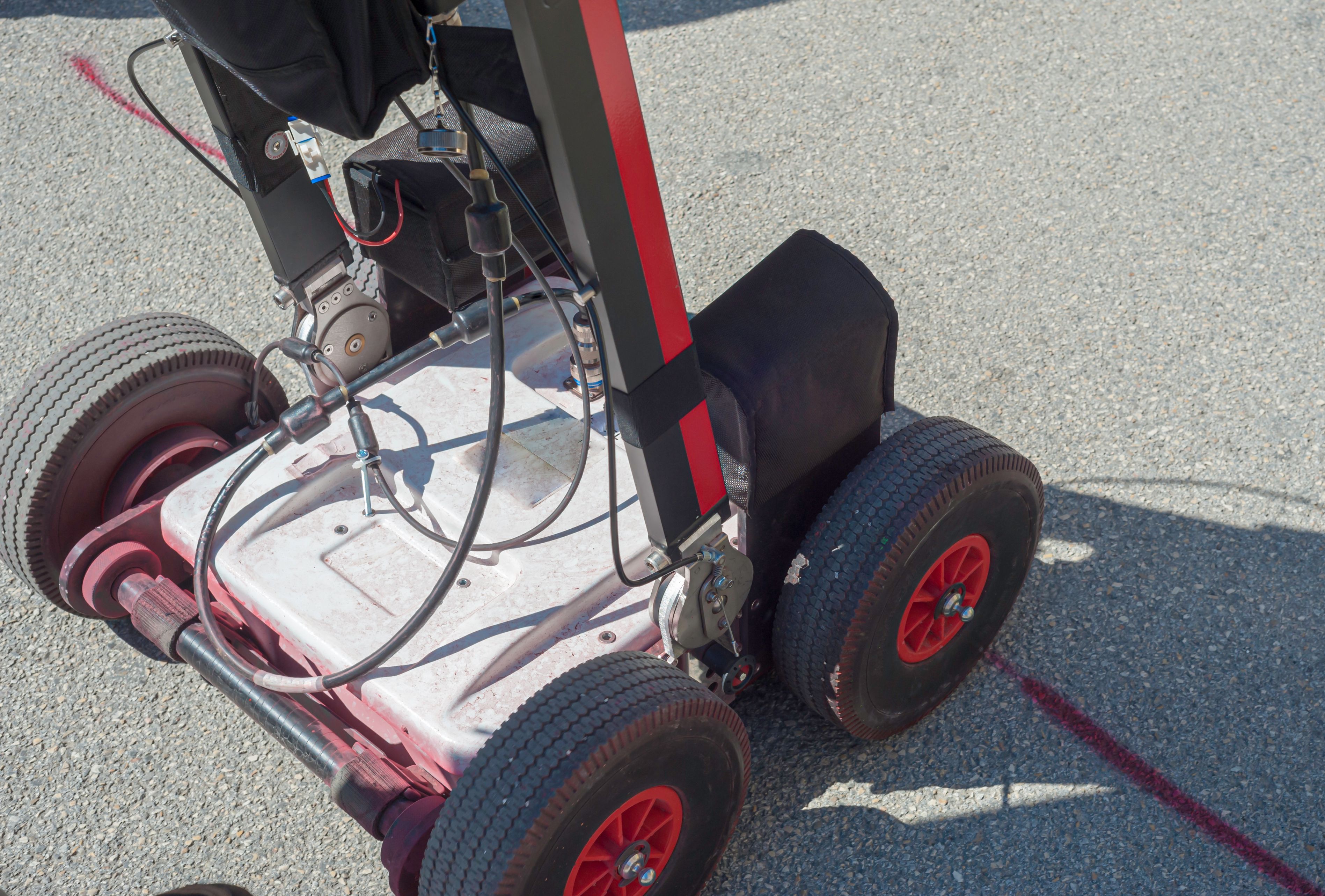
Selecting the right equipment is vital for accurate scanning results. Ground Penetrating Radar (GPR) is commonly used due to its effectiveness in detecting objects within concrete. However, the choice of equipment might vary based on the specific needs of the project. Employing skilled professionals who are experienced with the latest scanning technologies ensures precise and reliable outcomes.
Consider partnering with a reputable company that specializes in concrete scanning in Dubai. Their expertise can provide insights into local regulations and the best practices for your specific project. This collaboration can streamline the process, saving time and resources in the long run.
Planning and Preparing the Site
Before scanning begins, thorough site preparation is essential. Clear the area of any obstacles that might interfere with the equipment’s functionality. It’s also important to ensure that the scanning equipment can access all necessary areas of the site. Proper planning can prevent unforeseen issues and ensure that the scanning process is as efficient as possible.
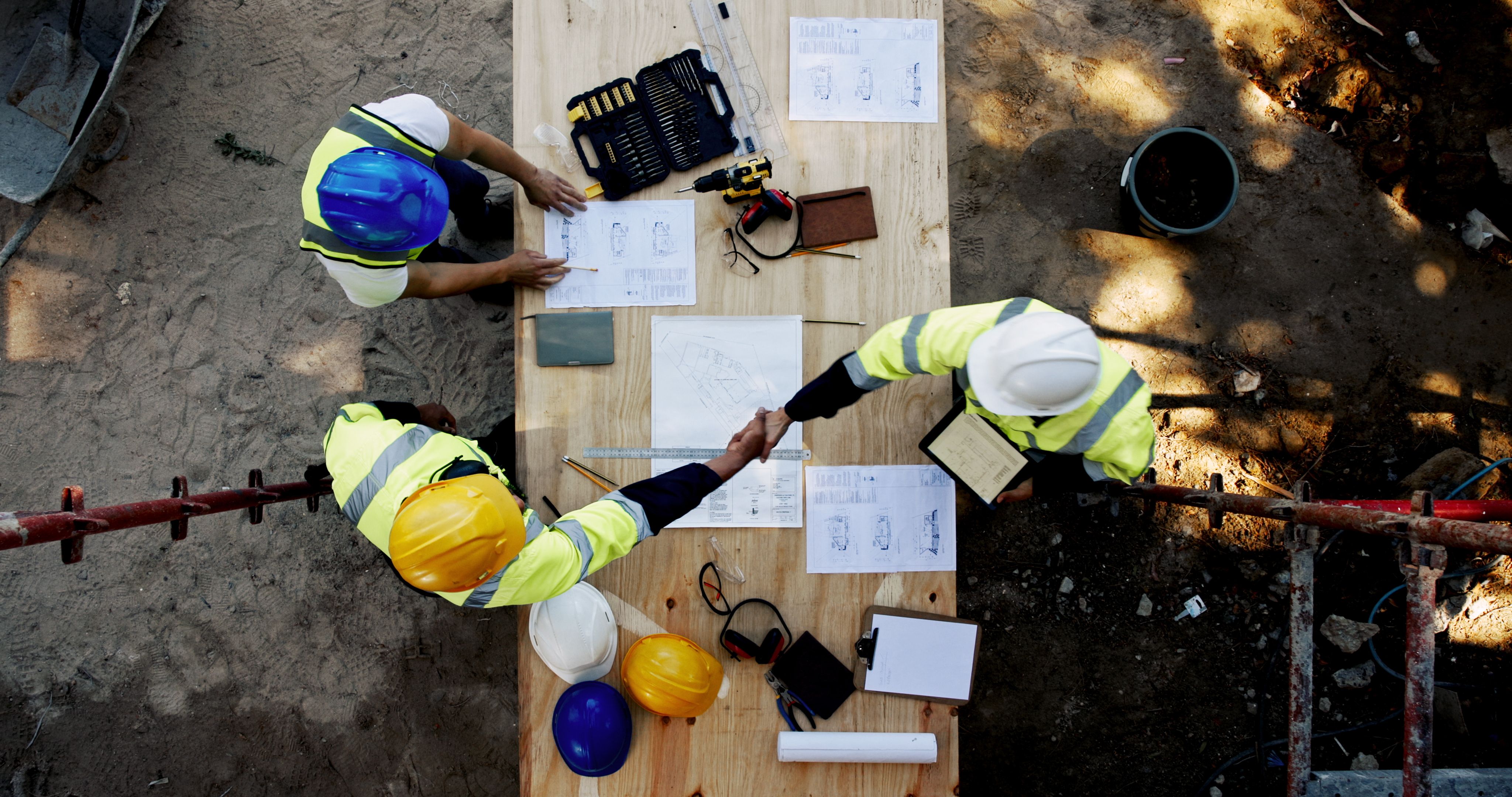
Collaboration with all stakeholders, including engineers and architects, is crucial during this phase. Their input can help identify areas of concern and tailor the scanning process to meet the project's specific needs.
Scheduling and Coordination
Effective scheduling is another critical aspect of preparing for a concrete scanning project. Coordinate with all involved parties to minimize disruptions during scanning. Ideally, scanning should be conducted during times when the site is less busy to avoid delays and ensure safety.
Data Analysis and Interpretation
Once the scanning is complete, analyzing the data is the next step. This involves interpreting the results to identify any potential issues within the concrete structure. Skilled professionals use specialized software to convert raw data into actionable insights.
Understanding the data is crucial for decision-making. It allows project managers to make informed choices about construction or renovation processes, ensuring that all potential risks are mitigated.
Implementing Findings
After the analysis, the findings need to be integrated into the project plan. This might involve altering construction methods or designs to accommodate detected objects or voids. Implementing these changes carefully and efficiently ensures the project's continued success and safety.
Regular follow-ups and checks are recommended to ensure that all adjustments are effectively applied, maintaining the integrity of the construction process.