
How Concrete Scanning Enhances Structural Analysis in Dubai's Unique Environment


In the rapidly evolving cityscape of Dubai, the construction industry faces unique challenges due to the region's distinctive environmental conditions. To ensure the integrity and longevity of structures, innovative techniques such as concrete scanning have become indispensable. This advanced technology plays a crucial role in enhancing structural analysis, offering a non-destructive means to assess and improve the quality of concrete structures.
Understanding Concrete Scanning
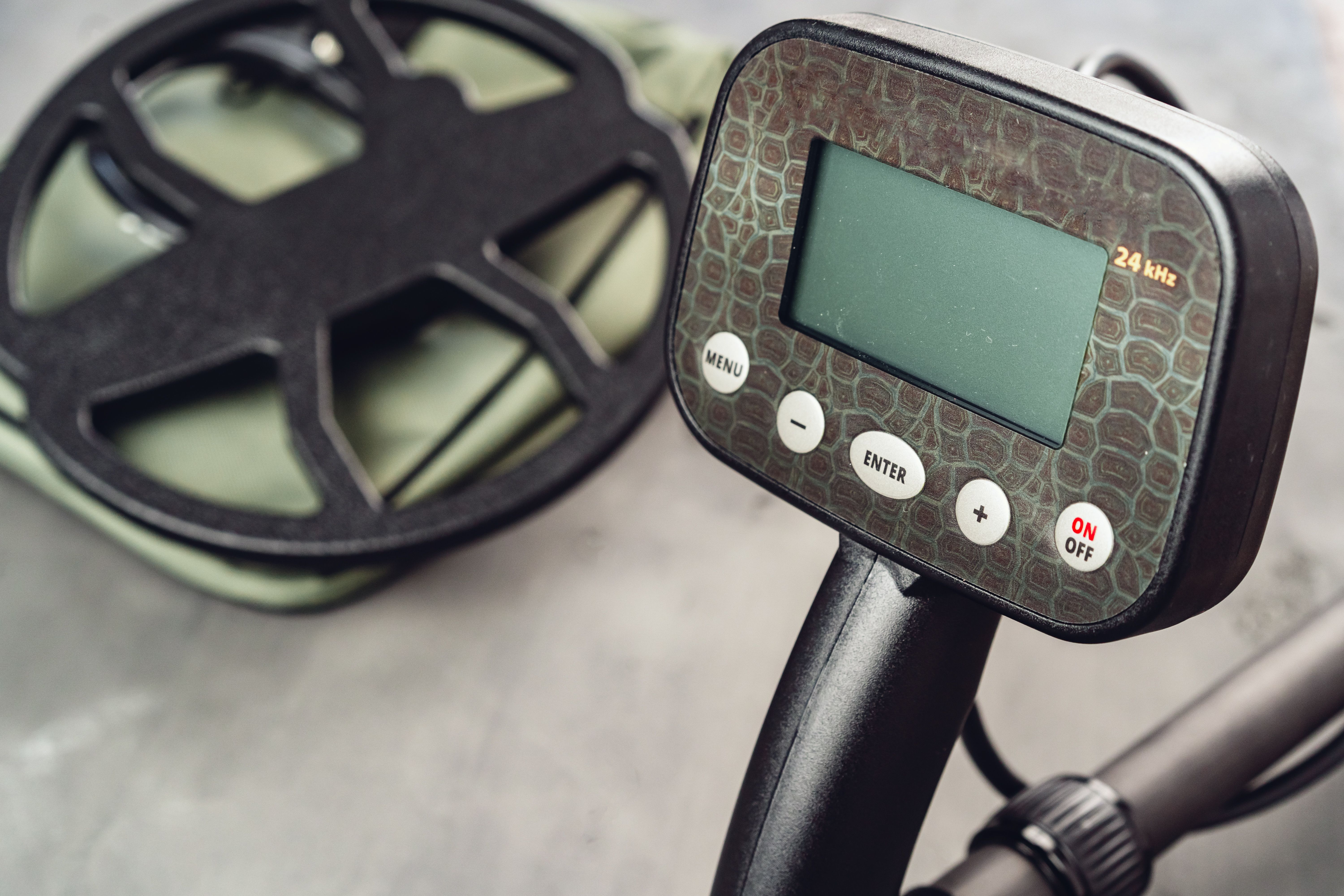
Concrete scanning is a process that uses ground-penetrating radar (GPR) and other technologies to detect embedded objects within concrete structures. It helps identify elements like rebar, post-tension cables, and electrical conduits. By providing a detailed map of these components, engineers and construction professionals can make informed decisions during renovations, repairs, or new construction projects.
In Dubai, where architectural innovation meets harsh environmental conditions, ensuring the structural integrity of buildings is paramount. Concrete scanning offers a way to navigate these complexities by delivering accurate data without causing any damage to the existing structure.
The Role of Concrete Scanning in Safety
The bustling construction scene in Dubai demands adherence to rigorous safety standards. Concrete scanning significantly contributes to this by preventing potential hazards. By accurately locating embedded utilities and reinforcements, workers can avoid accidental strikes that could compromise structural integrity or lead to costly repairs.
This technology also assists in evaluating the condition of aging infrastructure. With many of Dubai's iconic buildings now decades old, concrete scanning provides insights into their current state, helping to plan necessary maintenance and reinforce safety measures.
Enhancing Structural Analysis
Concrete scanning plays a pivotal role in enhancing structural analysis by providing precise information about the internal composition of concrete. This is particularly beneficial in Dubai, where unique architectural designs often incorporate complex geometries and advanced materials.
Engineers can use data from concrete scans to create detailed structural models, facilitating better analysis and design adjustments. This ensures that buildings not only meet aesthetic expectations but also adhere to the highest standards of durability and safety.

Cost Efficiency and Environmental Impact
Concrete scanning is not only about safety and precision; it also offers cost efficiency. By accurately identifying the locations of embedded objects, construction teams can avoid unnecessary drilling or demolition, saving both time and resources. This efficiency is crucial in a fast-paced environment like Dubai, where timelines are often tight.
Moreover, the non-destructive nature of concrete scanning aligns with sustainable practices by minimizing waste and reducing the environmental impact of construction activities. In a city that strives for eco-friendly innovation, this technology supports the broader goals of sustainability.
The Future of Construction in Dubai
As Dubai continues to expand and innovate, the demand for advanced construction technologies like concrete scanning will only grow. These tools provide the necessary insights to build safely and sustainably, ensuring that the city's skyline remains a symbol of modernity and resilience.
Incorporating concrete scanning into structural analysis processes not only enhances the safety and efficiency of construction projects but also contributes to the long-term sustainability of Dubai's architectural landscape. As the city sets its sights on the future, concrete scanning will undoubtedly play a vital role in shaping its path.