
DIY Concrete Scanning: What You Need to Know Before You Start


Understanding DIY Concrete Scanning
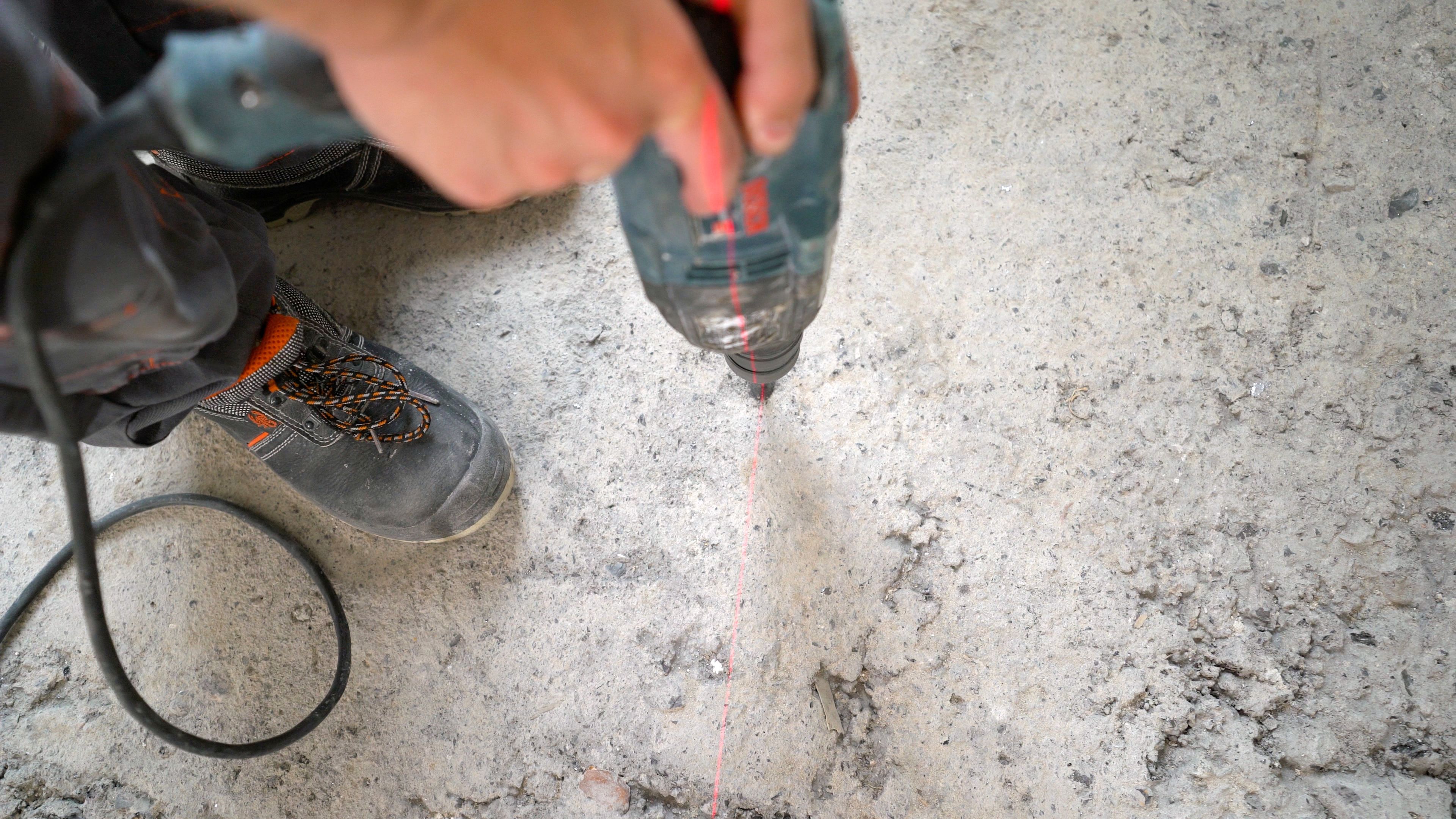
Concrete scanning is an essential process for anyone planning to cut, core, or drill into concrete structures. Whether you're a DIY enthusiast or a professional, knowing what's beneath the surface can prevent costly mistakes and ensure safety. Before you start, it's crucial to understand the fundamentals of concrete scanning.
Why Concrete Scanning is Important
Concrete structures often conceal rebar, electrical conduits, and plumbing pipes. Damaging these can lead to expensive repairs, safety hazards, and project delays. By scanning the concrete first, you identify these hidden components and avoid potential pitfalls.
Moreover, accurate scanning ensures compliance with building codes and standards. This process not only protects the integrity of the building but also safeguards the people working on the project.
Choosing the Right Tools
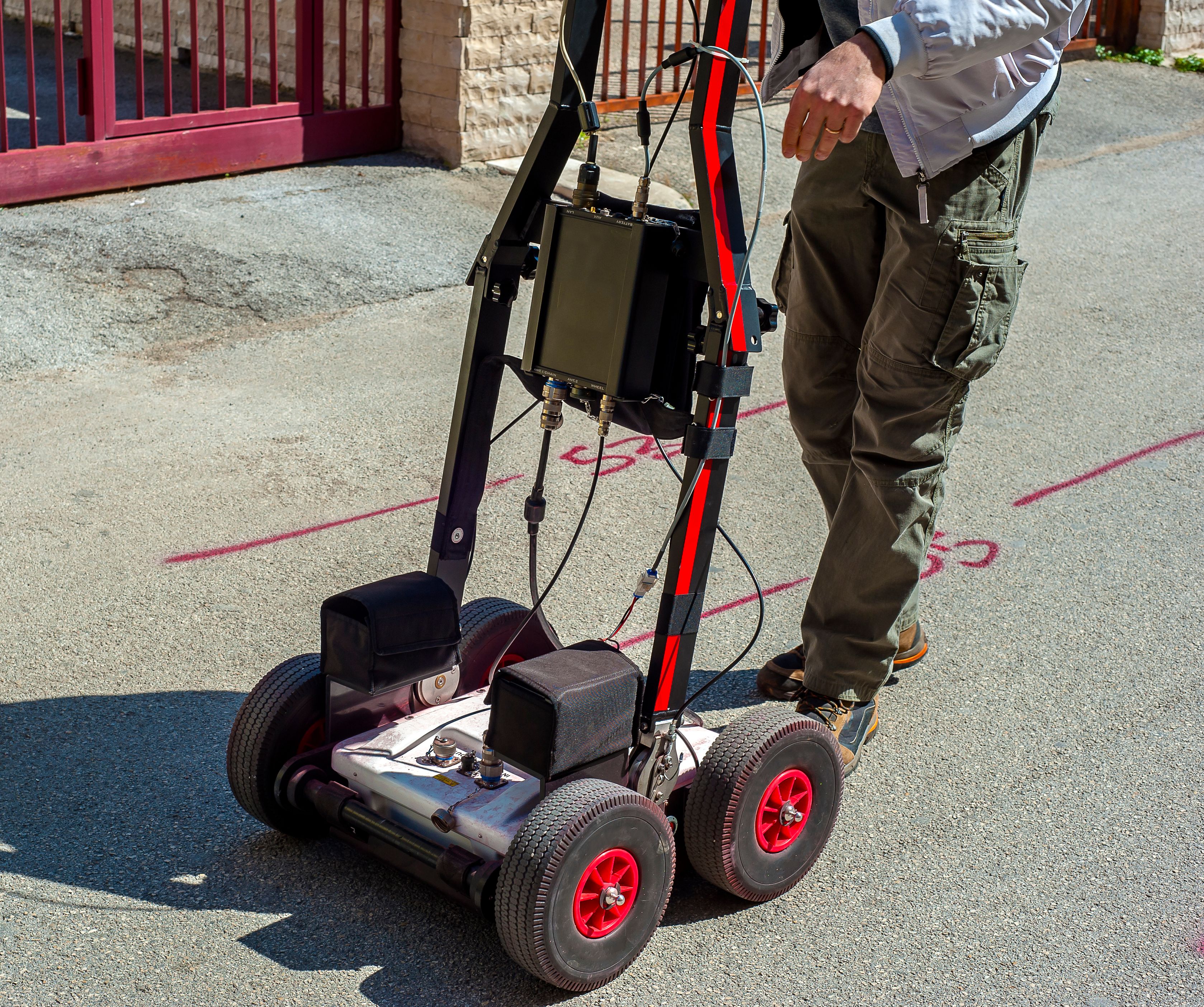
For DIY concrete scanning, selecting the appropriate tools is crucial. Ground Penetrating Radar (GPR) is a popular choice due to its effectiveness in detecting objects within concrete. GPR devices are available in various models, catering to different project needs and budgets.
Key Features to Consider
When choosing a GPR device, consider features such as depth penetration, resolution, and ease of use. Some devices offer advanced imaging capabilities, providing detailed visualizations of the internal structure. Opt for a model that offers clear data interpretation to make informed decisions.
Preparing for Scanning
Before you begin scanning, it's essential to prepare the area correctly. Clear the surface of any debris and ensure it's dry to achieve the best results. Familiarize yourself with the equipment by reading the manual and conducting a few trial scans.
Understanding the Scanning Process
The scanning process involves moving the device over the concrete surface in a systematic pattern. It's vital to maintain a consistent speed and path to obtain accurate readings. Take notes of any anomalies or areas requiring further investigation.
Interpreting the Results
Once the scanning is complete, you'll need to interpret the data. Many GPR devices provide visual outputs that highlight potential objects beneath the surface. Understanding these visuals is crucial for identifying rebar, voids, or utilities.
If you're uncertain about the results, consulting with a professional can provide clarity and ensure your project's success.
Safety Considerations
Always prioritize safety when performing DIY concrete scanning. Wear appropriate personal protective equipment (PPE), and follow the manufacturer's safety guidelines. If you're unsure about any aspect of the scanning process, seek expert advice.
Conclusion
DIY concrete scanning is a valuable skill that enhances project efficiency and safety. By understanding the tools, preparing adequately, and interpreting results correctly, you can confidently undertake your concrete projects. Remember, when in doubt, consult with professionals to ensure the best outcomes.