
Debunking Myths About Concrete Scanning: What You Really Need to Know


Understanding Concrete Scanning
Concrete scanning is a crucial process in construction and renovation, yet many misconceptions surround it. By understanding the realities of concrete scanning, professionals can make informed decisions that enhance safety and efficiency. This post aims to debunk common myths and provide clarity on what concrete scanning truly involves.
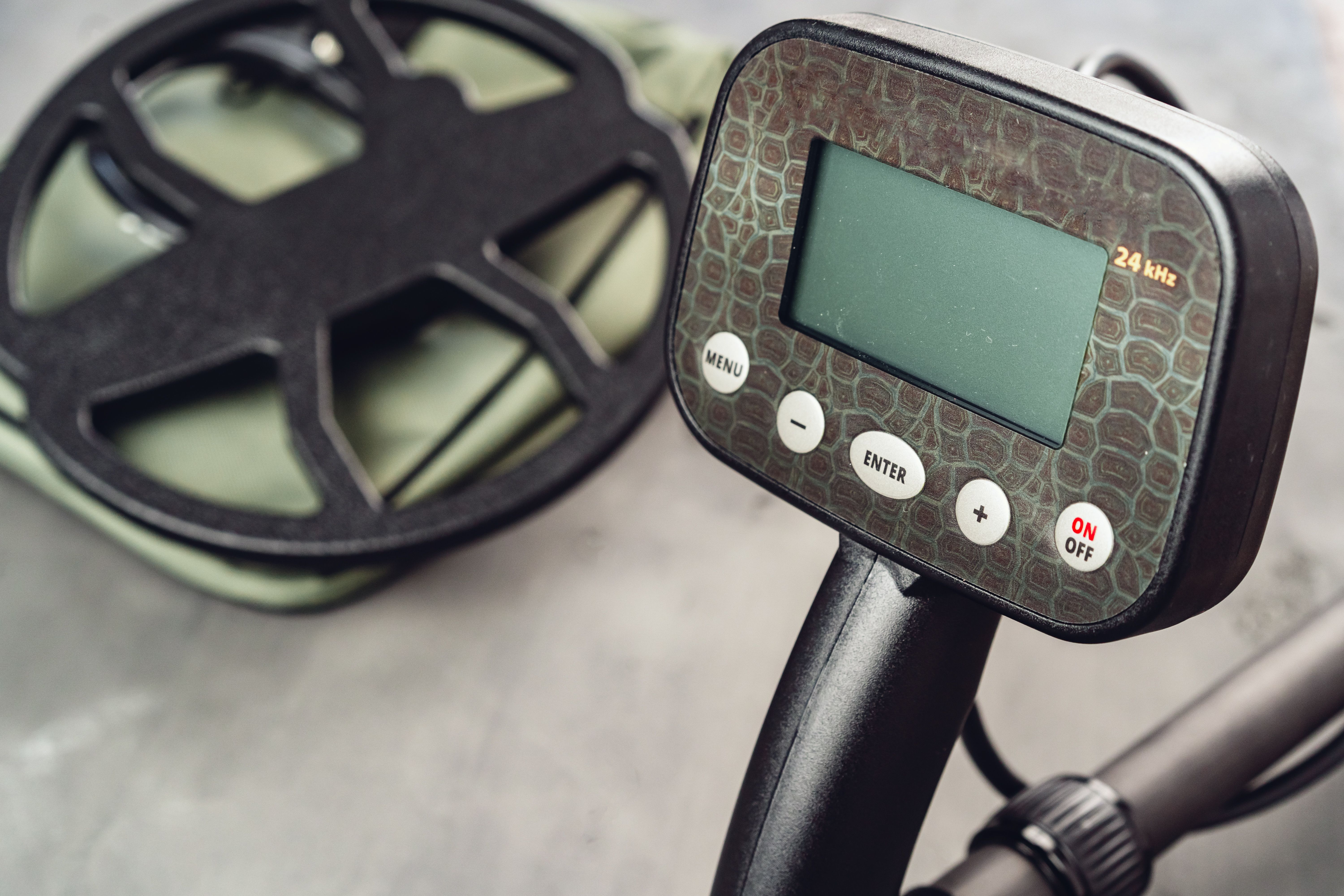
Myth 1: Concrete Scanning is Unnecessary
One prevalent myth is that concrete scanning is an unnecessary step. However, scanning plays a vital role in identifying hidden elements like rebar, post-tension cables, and electrical conduits within concrete structures. Ignoring this step can lead to accidental strikes during drilling or cutting, resulting in costly repairs and safety hazards.
Myth 2: It's Only for Large Projects
Another common misconception is that concrete scanning is only needed for large-scale construction projects. In reality, scanning is beneficial for projects of all sizes. Whether you're working on a residential renovation or a commercial build, understanding what's beneath the surface can prevent delays and ensure the integrity of the work.

The Precision of Modern Concrete Scanning
Many people believe that concrete scanning is inaccurate or unreliable. This couldn't be further from the truth. Modern scanning technologies, such as ground-penetrating radar (GPR), provide highly accurate and detailed images of subsurface conditions. These technologies allow for precise mapping and ensure that any cutting or drilling is done safely and correctly.
Myth 3: It's Too Expensive
Cost is often a concern, with some assuming that concrete scanning is prohibitively expensive. While there is an upfront cost, the investment pays off by preventing potential damage and delays. By avoiding mistakes, construction projects can stay on schedule and budget, ultimately saving money in the long run.
Myth 4: Scanning is Slow and Disruptive
Some believe that concrete scanning is a time-consuming and disruptive process. In reality, modern techniques are both efficient and minimally invasive. Many scans can be completed quickly, often without the need to halt work on the site. This efficiency ensures that projects continue smoothly and without unnecessary interruptions.
Embracing the Benefits of Concrete Scanning
Understanding the true value of concrete scanning can transform how construction projects are approached. By debunking these myths, professionals can appreciate the enhanced safety, precision, and cost-effectiveness that scanning provides. Embrace this technology to ensure that your projects are executed safely and successfully.