
A Step-by-Step Guide to DIY Concrete Scanning Inspection


Understanding Concrete Scanning
Concrete scanning is a crucial process in construction and renovation projects. It helps identify embedded objects like rebar, conduits, and voids within concrete structures. By understanding what's inside, you can avoid costly mistakes and ensure safety. If you're planning a DIY concrete scanning inspection, this guide will walk you through the necessary steps.
Gathering the Necessary Tools
Before you begin, you'll need the right tools. The most important piece of equipment is a concrete scanner, often referred to as ground-penetrating radar (GPR). These are available for rent or purchase. Additionally, you'll need safety gear, such as gloves and goggles, to protect yourself during the inspection.
- Concrete Scanner (GPR): Essential for detecting hidden objects.
- Safety Gear: Includes gloves, goggles, and hard hats.
Preparing the Inspection Area
Preparation is key to a successful inspection. Begin by clearing the area of any obstructions. Make sure the surface is clean and dry, as moisture can affect the accuracy of the scan. Marking the boundaries of the area you plan to scan will also help in maintaining a systematic approach.

Conducting the Scan
With everything prepared, it's time to conduct the scan. Turn on your concrete scanner and adjust the settings according to the manufacturer's instructions. Move the scanner slowly and steadily across the surface, ensuring full coverage of the area. Pay attention to the scanner's display, which will indicate the presence of any embedded objects.
- Turn on and configure the scanner.
- Move the scanner steadily across the surface.
- Monitor the display for any anomalies.
Analyzing the Results
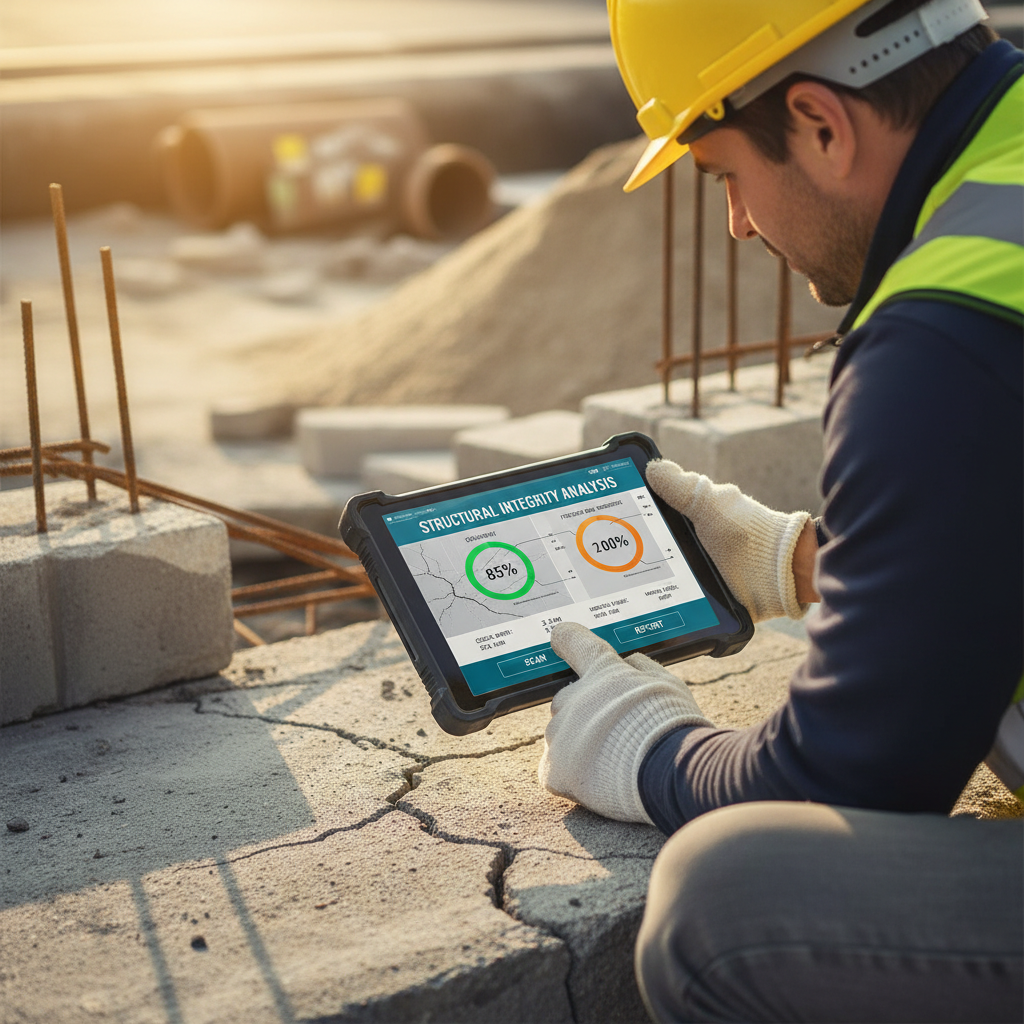
Once you've completed the scan, it's important to analyze the results carefully. The scanner's display will show images of the subsurface objects. Identify any potential obstacles and record their locations. This information is crucial for planning your next steps in construction or renovation.

Taking Safety Precautions
Safety should always be your top priority. If you detect any anomalies that could pose a risk, consult with a professional before proceeding. It's better to be cautious and ensure that your project is safe for everyone involved.
By following this step-by-step guide, you can effectively conduct a DIY concrete scanning inspection, ensuring that your project is both safe and successful. With the right tools and careful planning, you'll be able to navigate any hidden surprises within your concrete structures.