
A Comprehensive Guide to Concrete Scanning for New Construction Projects


When embarking on a new construction project, one crucial step that is often overlooked is concrete scanning. This process helps identify hidden elements within concrete structures, such as rebar, post-tension cables, and electrical conduits, ensuring the safety and integrity of the construction site.

What is Concrete Scanning?
Concrete scanning is a non-invasive method used to detect objects within concrete before drilling, cutting, or coring. Utilizing advanced technologies like Ground Penetrating Radar (GPR) and X-ray imaging, professionals can accurately map out the internal structure of concrete, helping to avoid costly and dangerous errors.
The Importance of Concrete Scanning
Concrete scanning is essential for maintaining safety standards on construction sites. Identifying embedded elements prevents accidental damage to structural components and reduces the risk of injury. Moreover, it helps in safeguarding expensive equipment and avoiding project delays.
Benefits of Using Advanced Technologies
Modern technologies like GPR offer numerous advantages, including real-time results, portability, and the ability to scan large areas quickly. These innovations have made concrete scanning more accessible and efficient, leading to more accurate data collection and analysis.
How Does Ground Penetrating Radar Work?
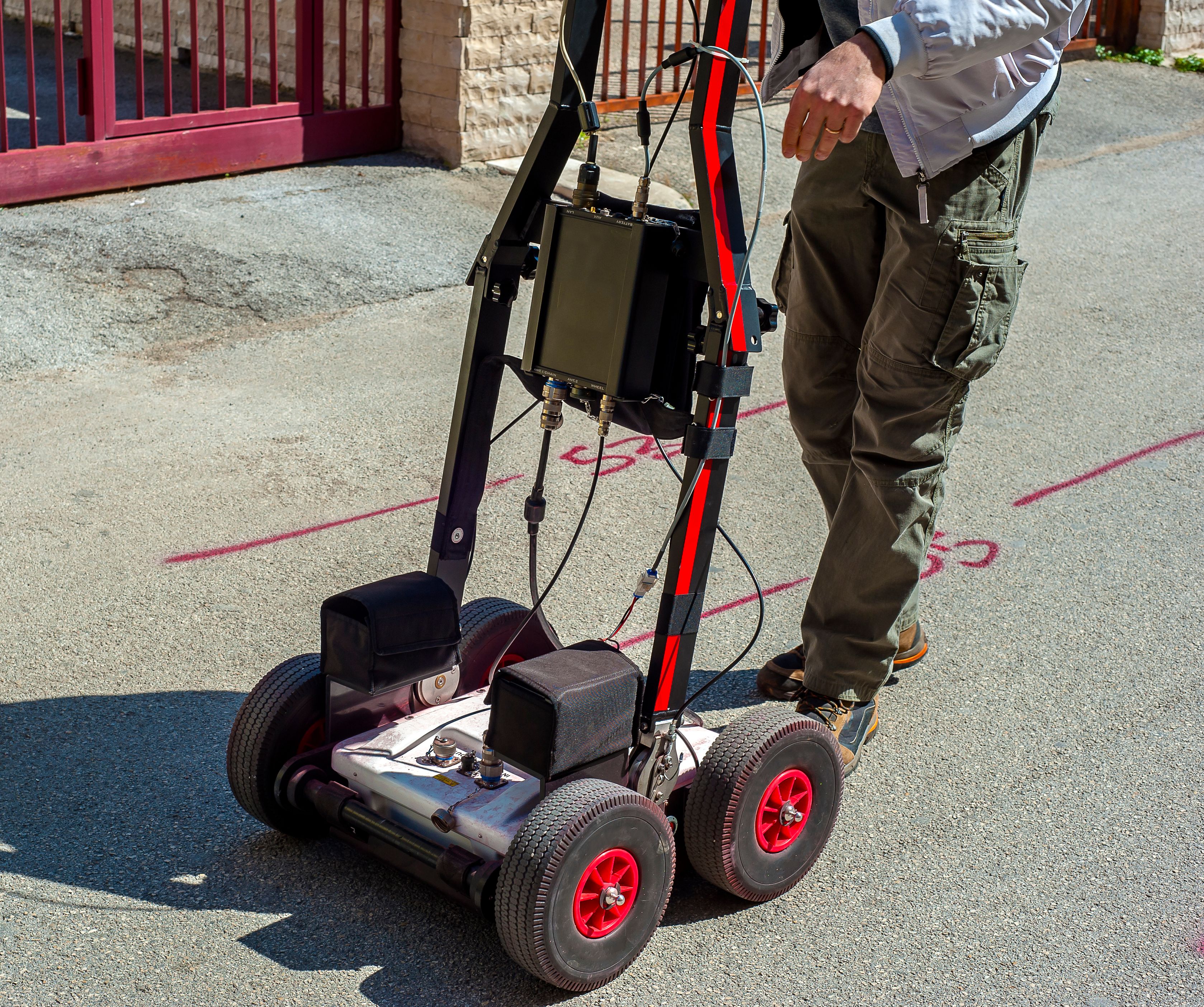
Ground Penetrating Radar (GPR) works by emitting electromagnetic waves into the concrete. When these waves encounter an object, they are reflected back to the GPR equipment, creating a visual representation of the internal structure. This method is highly effective in detecting non-metallic objects as well.
Steps to Conduct a Concrete Scan
Conducting a concrete scan involves several key steps:
- Site Assessment: Evaluate the area and determine the scope of the scan.
- Equipment Setup: Calibrate the GPR or X-ray devices according to project requirements.
- Data Collection: Perform the scan and collect data for analysis.
- Analysis: Interpret the results to identify any hidden objects or potential issues.
- Reporting: Provide a detailed report to guide construction activities.
Choosing the Right Professional
Hiring a qualified professional for concrete scanning is crucial. Look for experts with experience and certification in using GPR and X-ray technologies. A skilled professional will ensure accurate results, helping you make informed decisions for your construction project.

Conclusion
Concrete scanning is a vital step in the construction process, offering significant benefits in terms of safety, efficiency, and cost-effectiveness. By understanding and utilizing advanced scanning techniques, construction managers can avoid potential pitfalls and ensure the success of their projects.